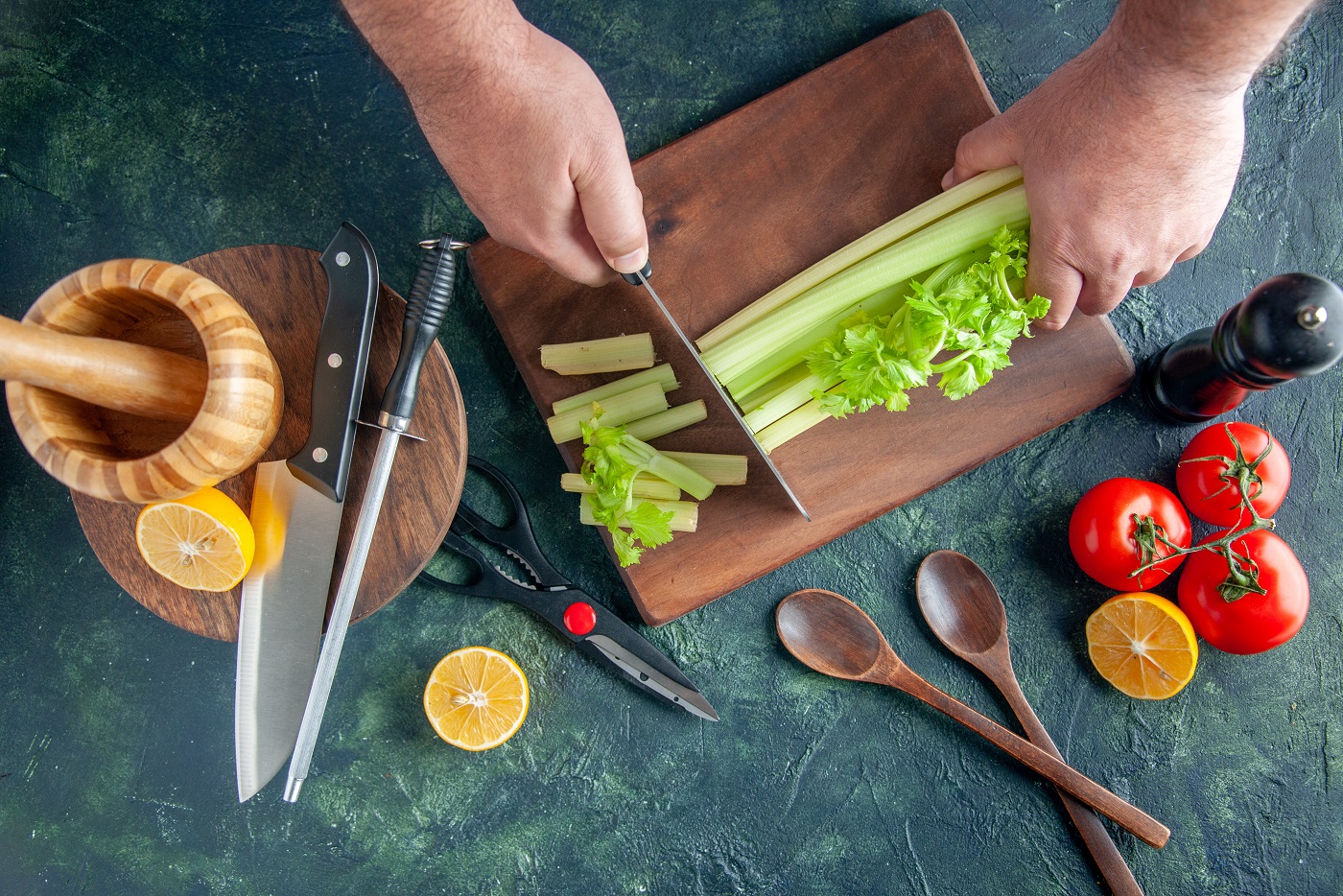
Knife skills are one of the most important foundations of cooking, yet they are
often overlooked by
home cooks. Many people focus on recipes, ingredients, or kitchen gadgets while
ignoring the simple
techniques that make cooking safer and more efficient. Learning how to properly
handle a knife does
not mean cooking faster or performing advanced techniques. It means moving with
control, awareness,
and confidence every time you prepare food. Strong knife skills reduce
accidents, improve consistency,
and make the entire cooking process smoother from start to finish.

"A sharp knife and steady habits turn preparation into confidence instead of
stress."
Kitchen Fundamentals
Home Cooking
Most kitchen injuries involving knives do not happen because someone lacks experience.
They happen because
of distraction, rushing, or poor habits. Cutting on unstable surfaces, using dull
blades, or holding food
incorrectly increases the risk of slips and cuts. When you slow down and apply basic
knife principles, the
kitchen becomes a safer and more controlled environment. Knife skills are not about
impressing others.
They are about protecting your hands, saving time, and creating consistency in your
preparation work. A
home cook who understands knife safety is able to cook with greater focus and far less
anxiety.
Developing Safe, Reliable Knife Habits in the Kitchen
Start With the Right Setup
Safe knife skills begin before you even pick up the knife. A stable and organized
setup reduces mistakes and
allows you to work with better control and confidence from the start.
- Use a sturdy cutting board placed on a flat surface
- Place a damp cloth underneath the board if it tends to slide
- Make sure you have enough counter space to move comfortably
Focus on Grip and Control
How you hold your knife directly affects both safety and precision. Proper control
allows smooth, deliberate
movement instead of rushed or uneven cutting.
- Hold the knife firmly without squeezing too tightly
- Allow your wrist and arm to move naturally
- Keep your guiding hand’s fingers tucked inward to protect fingertips
- Cut with intention rather than speed
Maintain Your Knives Properly
A well-maintained knife is safer and easier to use. When a blade moves smoothly
through food, you stay in
control and reduce the risk of slips or sudden movements.
- Keep knives sharp to avoid using excessive force
- Dull knives are more likely to slip and cause injury
- Store knives in a block, drawer insert, or protective sheath
- Avoid leaving knives loose in sinks or cluttered drawers
Stay Focused and Build Confidence
Most knife accidents happen due to distraction rather than lack of experience.
Staying present and calm turns
food preparation into a controlled and confident part of cooking.
- Avoid phones and multitasking while cutting
- Never attempt to catch a falling knife
- Step back and allow the knife to fall safely
- Build confidence through consistent and mindful practice




Recent Comments
John Doe
• December 20, 2025These guilt-free meal ideas are amazing! I've been looking for healthy recipes that don't compromise on taste. Can't wait to try the grilled chicken salad!
Sarah Mitchell
• December 18, 2025I love how you emphasize that healthy eating can still be delicious. The vibrant salad photos are making me hungry!
Mike Roberts
• December 15, 2025Great article! I've shared this with my family. We're planning to make the weekend dinner special with some of these recipes.
Emily Watson
• December 12, 2025The quote about meals being more than just food really resonated with me. Food brings people together, and that's what I love about cooking!
Alex Chen
• December 10, 2025As someone trying to eat healthier, this blog post is exactly what I needed. The tips are practical and the meal ideas look absolutely delicious!